
A Parent’s Guide to Testing, Avoiding and Staying Sane in a World Full of Heavy Metals.
If you’re a parent, you already know life is full of hazards. Lego under bare feet. Children who whisper “Muuuum?” at 3am. School newsletters that require more emotional bandwidth than should legally be allowed. But lurking behind all of these is another fun little gremlin none of us asked to deal with. Lead.
Yes, lead. The ancient villain of old paint, dodgy ceramics, imported toys, thrifted treasures, and sometimes—just for fun—the dinner plates your grandma swore were “perfectly fine.”
But here’s the good news:
You don’t need to panic.
You don’t need to throw out everything you own.
And you definitely don’t need to go full conspiracy-prepper mode and start eating only air.
What you do need is information. Real, science-backed, low-tox clarity that helps you reduce risk without losing your mind.
Welcome to your ultimate Conscious Cart guide to navigating lead: what it is, where it hides, how to test for it, and how to avoid it—minus the fearmongering and TikTok hysteria.
What Even Is Lead? And Why Should I Care?
Let’s get one thing clear. Lead is not a modern problem. Humans have been poisoning themselves with it since the Romans used lead pipes, lead cookware and—wait for it—lead sweetener for their wine. Yes, they added lead to make wine taste better. No, they didn’t survive that hobby very long.
Lead is a neurotoxin. And what does that mean for kids?
According to decades of public health research:
-
Lead exposure interferes with brain development
-
There is no known safe level for children
-
Even small amounts can impact behaviour, learning and impulse control
Before you panic and bubble-wrap your entire home: the biggest risks come from chronic exposure, not the occasional “my kid chewed a pencil” moment.
This isn’t about fear. It’s about awareness.
Where Lead Is Actually Hiding (Science Says, Not Facebook Mum Groups)
Here’s the truth: not everything contains lead. Your drinking straw is probably fine. Your blender is probably fine. Your neighbour’s mystical claims that “lead comes through the 5G towers” are… absolutely not fine.
Here are the real, evidence-supported sources:
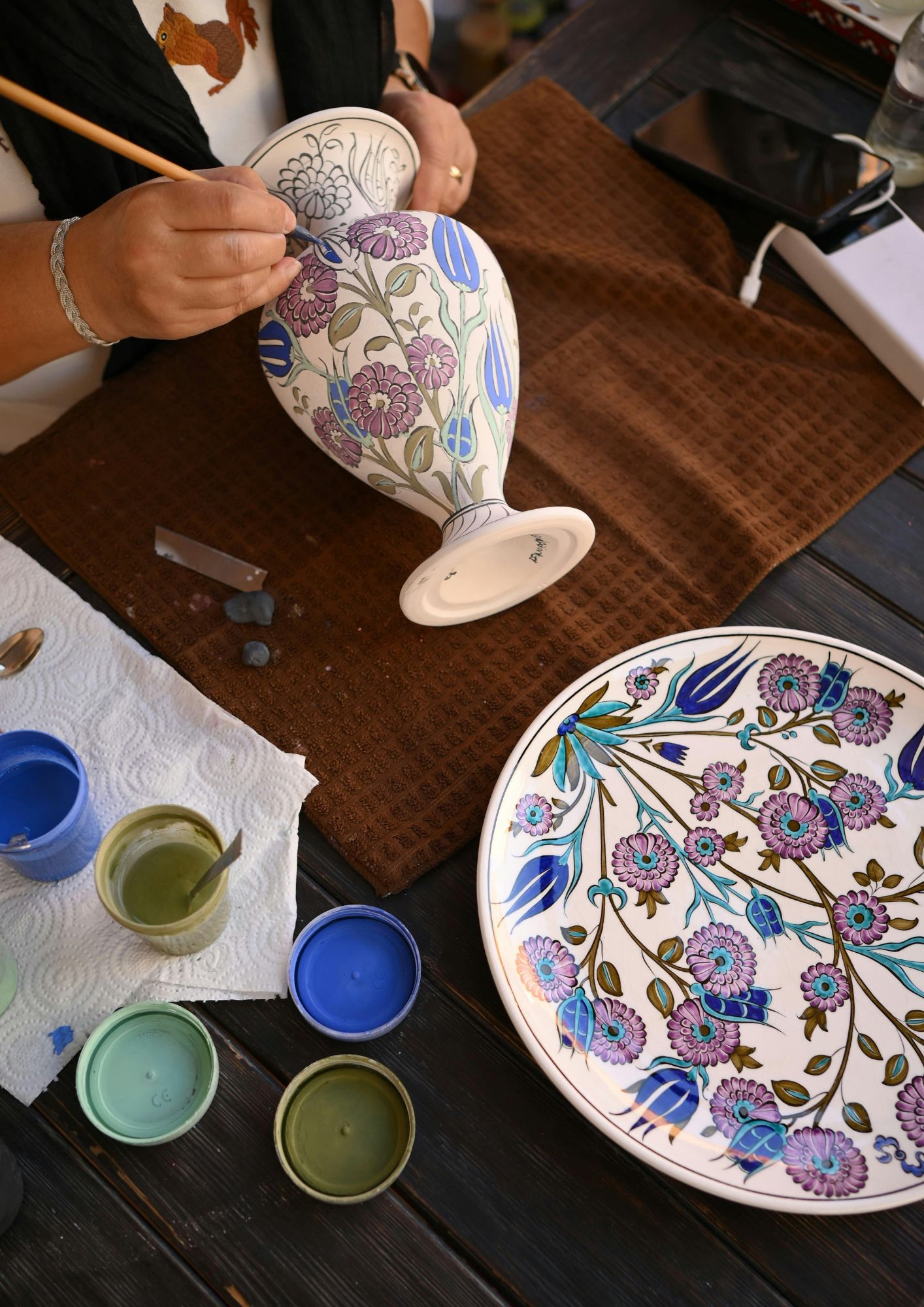
1. Vintage Ceramics & Glazed Pottery
The older the plate, the prettier the pattern, the more likely it’s… a hazard.
Acidic foods (tomato sauce, citrus, wine) cause lead to leach more.
2. Painted Toys from Overseas Sellers
Not all toys, but unregulated imports from flea markets, eBay or random pop-up websites?
Yep. They’re on the danger list.
3. Old House Paint
If your home was built pre-1997 in Australia, there may be lead-based paint somewhere in the layers.
4. Spice Mixes & Herbal Powders
Surprise! Some imported spices have been found adulterated with pigments containing lead.
(Saffron, turmeric, chilli — we’re looking at you.)
5. Cosmetics, Lip Balms & Traditional Products
Certain imported kajal/kohl, ceremonial powders and herbal balms can contain alarming amounts of lead.
6. Thrifted / Antique Cookware
Cast iron – fine.
Enamel-coated heirlooms from the 50s – not always fine.
This is your reminder:
Just because it’s vintage doesn’t mean it’s virtuous.
How to Test for Lead Without Becoming a Lab Technician
Here’s the part everyone wants to know:
Can you actually test your items for lead at home?
Yes — and no.
At-home tests exist, but you need to know what they can and cannot do.
Option 1: Lead Test Swabs
Available at Bunnings, Amazon, hardware stores.
Great for:
-
Painted surfaces
-
Ceramics (outer glaze)
-
Toys
Not great for:
-
Testing food safety of glazes
-
Accurately testing spices or powders
-
Determining how much lead will leach when heated
Option 2: XRF Scanning
A professional-grade tool used by labs and many lead safety professionals.
Great for:
-
Instant, highly accurate readings
-
Testing cookware, plates, antiques, toys
-
Determining total lead content in an item
Not a DIY option unless you have $40,000 and a strong interest in physics.
Option 3: Laboratory Testing
You can send items or samples to accredited labs in Australia.
Great for:
-
Testing leaching
-
Testing spices or powders
-
Confirming borderline results
Downside: Expensive and slow.
The Conscious Cart Recommendation
For most households:
Use lead test swabs for screening
Use professionals for anything you suspect is actually hazardous
And—for the love of your sanity—don’t test your entire house.

Lead Myths You Can Stop Believing Today
Let’s clear up some TikTok chaos.
Myth 1: All cheap toys contain lead
False. The issue isn’t “cheap.” It’s the source and regulation.
Kmart → regulated.
Random marketplace with poor controls → risky.
Myth 2: If a plate is labelled food-safe, it’s always safe
False.
Australia doesn’t test every batch of imported ceramics.
Myth 3: Stainless steel contains lead
Mostly false.
High-quality stainless steel is lead-free.
Some budget alloys may contain trace levels, but the risk of leaching is extremely low.
Myth 4: You need to throw out all your belongings
Absolutely false.
Please don’t.
Your home is not a museum of horrors.
Low-tox living is about reducing exposure, not creating a minimalist panic room.
What to Avoid (Without Becoming Overwhelmed)
Here are the big hitters worth eliminating or replacing:
-
Vintage dishes used for daily eating
-
Old glazed mugs
-
Antique cookware used for cooking
-
Painted toys from unknown sellers
-
Spices from unregulated manufacturers
And here’s what you don’t need to worry about:
-
Modern stainless steel
-
Modern cast iron
-
Reputable toy brands
-
Reputable ceramic makers
-
Your fridge magnets
You’re welcome.
Safer Alternatives That Don’t Make Life Hard
Want low-tox but also want your kids to eat off actual plates?
Great. Here’s what to choose:
-
Stainless steel dinnerware
-
Lead-free certified ceramic brands
-
Silicone feeding sets
-
Reputable wooden toy brands
-
Cast iron, carbon steel or stainless for cooking
-
Spices from brands with proven supply chains
-
Glass for storage
The goal is not perfection.
The goal is less exposure, more confidence.

How to Build a Sensible, Science-Led Low-Tox Home
A low-tox home is built through:
-
Awareness
-
Smart swaps
-
Evidence
-
Gradual change
Not guilt.
Not fear.
Not “that influencer said so.”
Small changes compound.
And before you know it, you’ll be that friend who knows exactly which ceramic plates are secretly hazardous at brunch.
The Conscious Cart Bottom Line
Lead is a real issue — but a manageable one.
-
Test when needed
-
Avoid the high-risk items
-
Don’t fall for social media hysteria
-
Make swaps slowly
-
Choose science over fear
-
Remember that your home is probably safer than you think
Low-tox living isn’t about living in terror.
It’s about living with informed confidence.
And if you ever feel overwhelmed?
Just remember that the Romans literally added lead to their wine and still managed to conquer half the world.
You’re already doing better.
Follow Us For More
If you love science-made-simple, crunchy-but-sane low-tox tips, and practical guides that don’t fear-monger, follow The Conscious Cart for more deep dives, myth busts and parent-friendly low-tox living.
